 Proudly Serving Veterans

- Oct 21, 2026
- PTS Staff
- Mobile Crane Operation Blogs
- 0 Comments
Picture a crane operator preparing to lift and move heavy materials like steel beams and concrete components on a construction site. Think about the skill and training that comes along with each action behind the seat. While operators spend a majority of their time driving machinery, they must also prioritize safety, communicate effectively with crew members, and follow lifting plans. This career combines technical knowledge, hands-on ability, and safety awareness, so potential crane operators need to understand how to balance each of these capabilities to find success.
Success is certainly a possibility, as crane operators are in demand in a number of important industries, like construction, transportation, and renewable energy, and must work with construction crews, riggers, signal persons, and site supervisors. If you’re wondering what does a crane operator do on a typical workday, we’ll dive into the day-to-day operations of this job and how PTS can help you get started.
What Does a Crane Operator’s Typical Day Look Like?
- Safety checks: Check safety systems, controls, and equipment for visible damage or other potential issues. Operators must also review site conditions, weather, and other potential hazards.
- Review the day’s lift plan: Operators should review load weights, crane capacity, and job-site conditions, and coordinate with riggers and signal persons before starting.
- Move heavy loads: This is the majority of a crane operator’s day. They use equipment controls to accurately lift, lower, and position materials, and should be aware of power lines, workers, and other obstacles while operating.
- Adjust to changing job-site conditions: Operators must adjust to fluctuating weather, ground conditions, and project demands and coordinate with supervisors if a lift needs to be delayed.
- Wrap up the workday: Crane operators should secure the crane safely, complete equipment logs, and report maintenance concerns. These end-of-the-day routines help keep equipment ready for work the next shift.
What is the Work Environment Like for a Crane Operator?
Common work environments include commercial construction sites, infrastructure projects, and industrial facilities. Operators may work outdoors in fluctuating weather conditions or in physically demanding environments.
Potential crane operators need to evaluate scheduling considerations as these types of jobs might require early starts or overtime. Crane operators must use a combination of technical and personal skills to succeed, such as attention to detail, especially while monitoring loads and equipment.
Hand-eye coordination is valuable when making controlled, precise movements, and crane operators must also problem-solve on the job. They must also work and communicate effectively with signal people and other construction workers in order to follow important safety procedures and complete work successfully.
Aspiring crane operators can begin developing these important skills with hands-on practice and instruction from a mobile crane operator training program.
How Does Crane Operator Training Prepare You for the Job?
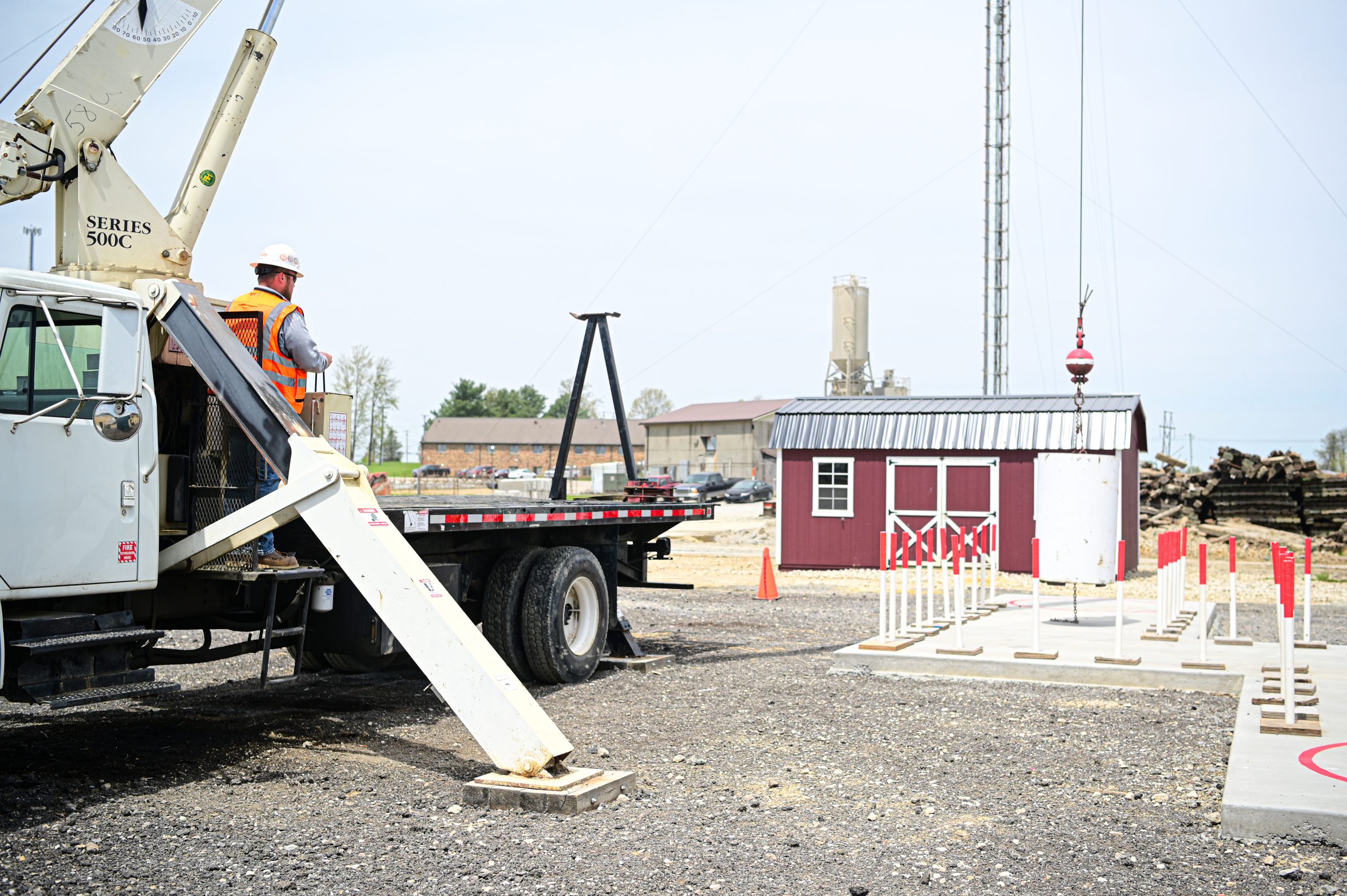
At PTS, we offer a three-week mobile crane operator training course that teaches students how to operate both the Mobile Hydraulic Telescopic Boom Swing-Cab and Telescopic Boom Fixed-Cab cranes.

Now that you’ve answered the question “What does a crane operator do?”, are you ready to start your career journey? From equipment inspections to lifting operations to end-of-shift checks and more, the typical day of a crane operator is busy and rewarding, and training at PTS can help students build the skills they need to prepare for the job.
If you’re ready to turn your interest into a career path, we can help. Explore our crane operator training course, or schedule a tour of our facility to learn more about our hands-on instruction and to earn a $500 tuition reduction scholarship.