 Proudly Serving Veterans

- Oct 21, 2026
- PTS Staff
- Heavy Equipment Operation
- 0 Comments
Starting a career as a heavy equipment operator is a smart idea for people who enjoy hands-on work and opening machinery, but finding success in this job requires more than just knowing how to move a machine. Practical skills, like communication and safety knowledge, can help operators move forward in their careers, even for an entry level equipment operator. You don’t need years of experience to get started, but you do need the right foundation. Let’s take a look at 10 essential things every entry-level operator should know — and how training at PTS can help get you started.
1. Safety Always Comes First
Job-site safety is a top priority for every equipment operator, which is why each operator must follow proper safety procedures, wear the right personal protective equipment, and have proper hazard awareness. It’s important to maintain safe distances from coworkers, vehicles and other equipment. At PTS, our training school prepares students by teaching essential safety practices and helping them to develop the habits they need to responsibly operate heavy equipment on the job.
2. Understand the Equipment
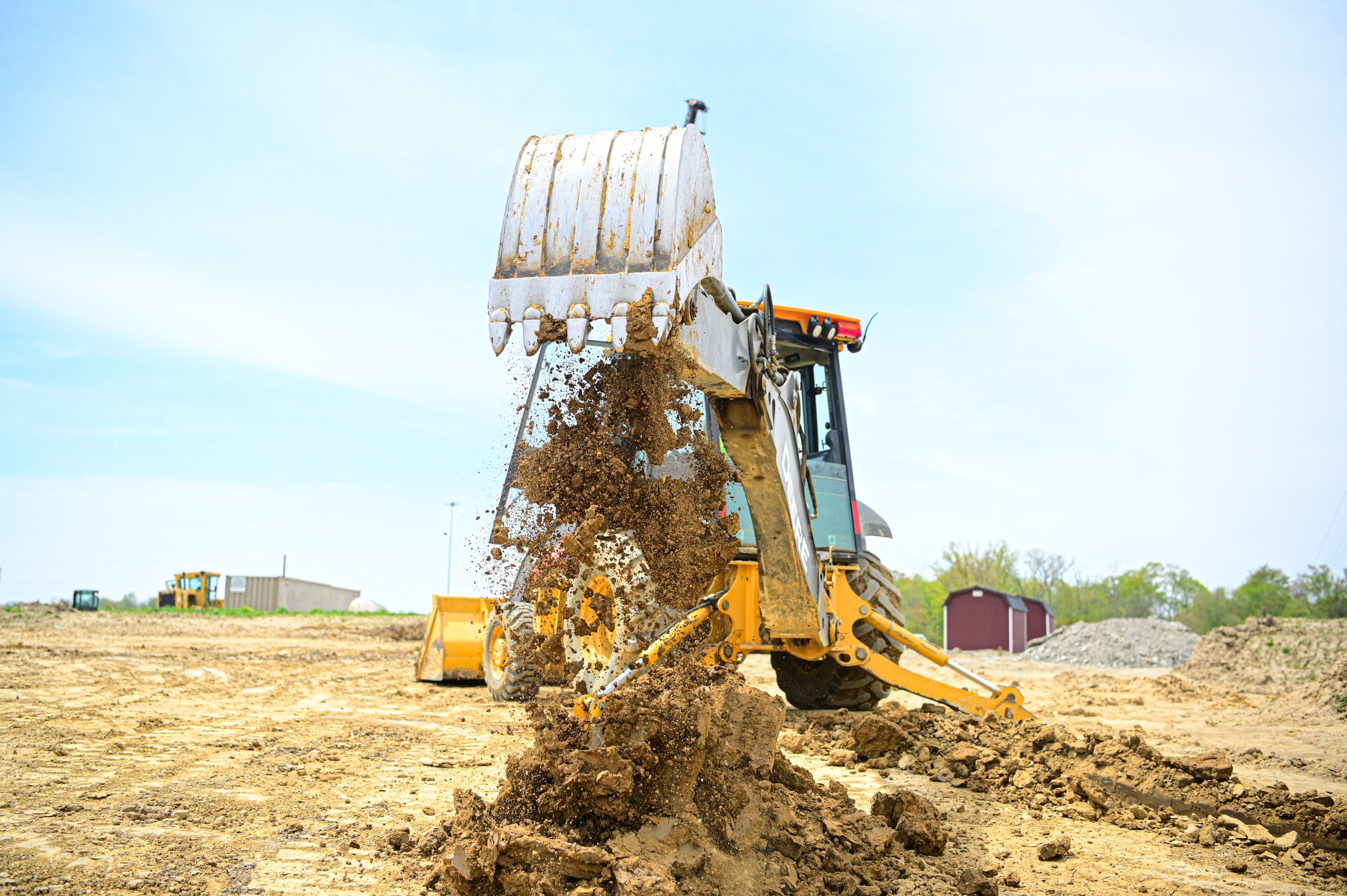
There are a lot of heavy equipment types on a job site, such as excavators, bulldozers, skid steers, and wheel loaders. Every machine has a different purpose, and different operating methods, so it’s important to learn the basic controls and functions of each. PTS gives you the hands-on, practical experience you need to operate a bunch of equipment types.
3. Learn How to Perform Inspections
Operators need to inspect equipment before each shift, and that includes inspecting tires, fluid levels, safety devices, and more. If there is any visible damage or other potential problems, operators must report concerns in order to prevent accidents. Our training program teaches students important inspection techniques so that equipment is ready and safe to use each time.
4. Master Basic Operating Controls
It’s important to learn the basic controls before attempting more complex tasks. That includes starting, stopping, steering, and maneuvering. Entry level equipment operators should learn how to use smooth, deliberate movements to improve both control and efficiency. Practicing in a supervised environment at PTS can help students build confidence as they become more familiar with various equipment types and controls.
5. Understand Job-Site Awareness
Operators must constantly monitor their surroundings in order to safely operate equipment. It’s important to be aware of blind spots, uneven ground, pedestrians and other workers, and communicate effectively with either hand signals or radios to ensure everyone’s safety. PTS understands the value of teaching our students situational awareness and good communication skills before they enter an active job site.
6. Develop Good Coordination and Control
Entry level crane operators should have strong hand-eye coordination and attention to detail. It’s important that they are able to control speed, correctly position equipment, and make precise movements. These skills can improve through experience with the practical training at PTS.
7. Learn to Read the Terrain
Different soil types, gravel, or slopes can affect equipment operation, as can changing weather conditions. An entry level equipment operator needs to understand how ground stability and worksite conditions can create potential hazards. At PTS, we teach students about grading and site work, helping them to understand different worksite conditions and how they might affect equipment operation.
8. Understand the Importance of Maintenance
Proper equipment maintenance means safer, more productive machines with longer lifespans. It’s important to report unusual sounds, leaks, or anything else that might affect equipment performance. PTS teaches students how to perform basic preventative maintenance so that little equipment concerns don’t turn into major issues.
9. Build a Strong Work Ethic
On the job site, reliability and teamwork are critical. Entry level equipment operators should always be on time and ready to follow instructions. Supervisors like operators who communicate well and take safety seriously. PTS understands that a professional attitude matters just as much as technical ability, and we help students develop the discipline and confidence that they need to succeed in the workplace.
10. Prepare for a Rewarding Career
Employers look for safety awareness, reliability, and foundational operating skills, and the right training and practical experience is incredibly valuable while searching for a job. PTS helps students build the skills that can prepare them to find entry-level positions by practicing in a guided environment.
Take the First Step with PTS
PTS offers beginner-friendly heavy equipment operator training that helps students build foundational skills and prepare for long-lasting careers. We offer experienced instruction and hands-on learning so students can learn how to safely and effectively operate equipment.
PTS offers a Heavy Equipment Operator 1 and a Heavy Equipment Operator 2 courses so that you’ll be fully prepared to succeed on the job. Starting a career as a heavy equipment operator can feel overwhelming, especially when you’re new to the industry. You don’t have to figure everything out on your own. PTS will provide you with the right training and guidance you need to find entry-level employment. We can help you take the first step towards your future.
Don’t wait. Let’s begin building your skills now. Connect with our team to learn more about our training programs.